
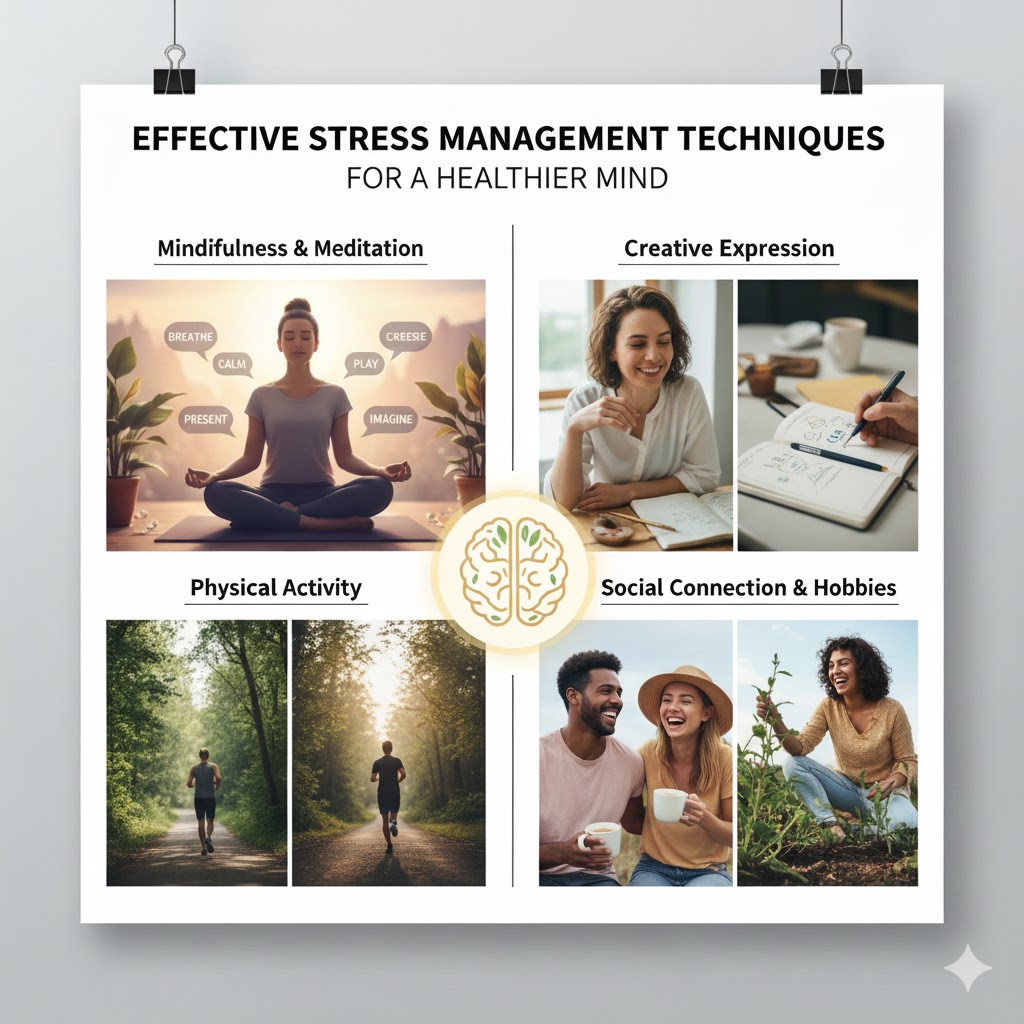
Stress is an inevitable part of modern life. Whether it stems from work deadlines, relationship challenges, financial pressures, or global uncertainties, chronic stress can take a significant toll on both mental and physical health. Left unmanaged, stress can lead to anxiety, depression, burnout, and even physical illnesses like hypertension and heart disease. However, by adopting effective stress management techniques, it is possible to build resilience, improve emotional well-being, and foster a healthier mind. This article explores science-backed strategies and practical tools to help you manage stress and thrive in 2025.
Stress is the body’s natural response to perceived threats or challenges. In small doses, stress can be motivating and even beneficial—helping us meet deadlines or respond to emergencies. However, when stress becomes chronic, it can disrupt the body’s equilibrium and lead to a cascade of negative effects. Chronic stress triggers the release of cortisol, the primary stress hormone, which, over time, can impair cognitive function, weaken the immune system, and increase the risk of mental health disorders.
Research shows that unmanaged stress is linked to anxiety, depression, insomnia, digestive problems, and cardiovascular disease. It also affects productivity, relationships, and overall quality of life. Recognizing the signs of stress—such as irritability, fatigue, difficulty concentrating, and physical tension—is the first step toward effective management.
Mindfulness and meditation have emerged as the gold standard for stress management in 2025. Mindfulness involves paying attention to the present moment without judgment, allowing individuals to observe their thoughts and feelings without becoming overwhelmed by them. Meditation, a structured practice of mindfulness, helps train the mind to focus, relax, and respond to stressors with greater calm and clarity.
Studies from Harvard Medical School and the Mayo Clinic have shown that regular mindfulness meditation can reduce cortisol levels by up to 25%, improve sleep quality, and enhance emotional resilience. Even a few minutes of daily meditation can make a measurable difference. Guided meditation apps like Headspace and Insight Timer offer accessible ways to get started, while community centers and virtual groups provide support for beginners.
Practical Tip: Begin with five minutes of mindful breathing each day. Focus on the sensation of your breath entering and leaving your body. When your mind wanders, gently bring your attention back to your breath. Over time, this practice can help you develop a calmer, more centered mind.
Exercise is one of the most effective natural stress relievers. Physical activity releases endorphins, the brain’s “feel-good” chemicals, which boost mood and reduce anxiety. Regular exercise also improves sleep, enhances self-esteem, and provides a healthy outlet for pent-up energy and frustration.
The National Institute of Mental Health emphasizes that even moderate physical activity—such as brisk walking, cycling, yoga, or dancing—can significantly reduce stress and improve mental well-being. In 2025, many people are incorporating movement into their daily routines by taking short walks during breaks, joining fitness classes, or practicing yoga at home.
Practical Tip: Aim for at least 30 minutes of moderate exercise most days of the week. If time is limited, break it into smaller sessions—three 10-minute walks can be just as effective as one long workout. Choose activities you enjoy to make exercise a sustainable habit.
Sleep is a cornerstone of stress management. When we don’t get enough rest, our bodies and minds become more vulnerable to stress. Chronic sleep deprivation can lead to irritability, poor concentration, and heightened emotional reactivity.
The CDC recommends 7–9 hours of quality sleep per night for adults. To improve sleep, establish a relaxing bedtime routine, avoid caffeine and heavy meals before bed, and create a sleep-friendly environment—cool, dark, and quiet. Activities like reading, journaling, or listening to soothing music before bed can help signal to your body that it’s time to wind down.
Practical Tip: Set a consistent sleep schedule, even on weekends. Avoid screens for at least an hour before bedtime, as blue light can interfere with melatonin production and disrupt sleep.
Writing down your thoughts and feelings can be a powerful tool for stress management. Journaling helps process emotions, identify stress triggers, and gain clarity about challenging situations. It also reduces mental clutter and provides a safe space to explore your inner world.
Research shows that expressive writing can lower anxiety, improve mood, and enhance problem-solving skills. Whether you prefer structured prompts or free-form writing, making journaling a daily habit can help you manage stress more effectively.
Practical Tip: Set aside five minutes each day to write about your thoughts, feelings, or experiences. Focus on what’s bothering you, what you’re grateful for, or what you’d like to change. Over time, you’ll notice patterns and insights that can guide your stress management efforts.
In a world that often demands constant availability and productivity, setting boundaries is essential for mental health. Learning to say “no” to unnecessary commitments, prioritizing self-care, and maintaining work-life balance can help prevent burnout and reduce stress.
Self-care isn’t selfish—it’s a necessary act of self-preservation. This can include activities like taking breaks, spending time in nature, pursuing hobbies, or simply doing nothing. Setting boundaries also means recognizing your limits and communicating them clearly to others.
Practical Tip: Identify one area of your life where you feel overwhelmed. Set a small boundary—such as turning off work notifications after hours or scheduling regular “me time.” Notice how this change affects your stress levels and overall well-being.
Breathing exercises are a quick and effective way to calm the nervous system and reduce stress. Tactical breathing, a technique used by military personnel, involves deep, controlled breaths to activate the body’s relaxation response. The 4-7-8 breathing method—inhale for four seconds, hold for seven seconds, exhale for eight seconds—is particularly effective for reducing anxiety and bringing the mind back to a calm state.
Other relaxation techniques include progressive muscle relaxation, guided imagery, and aromatherapy. These practices help release physical tension, promote relaxation, and improve emotional balance.
Practical Tip: Practice the 4-7-8 breathing technique whenever you feel stressed or anxious. Repeat it several times until you notice a sense of calm.
In the digital age, constant connectivity can contribute to stress and mental fatigue. Taking regular breaks from screens—whether it’s social media, email, or news—can help reduce eye strain, mental clutter, and emotional overwhelm.
Spending time in nature has been shown to lower cortisol levels, improve mood, and enhance overall well-being. Even a short walk in a park or stepping outside to breathe fresh air can help reset your nervous system and lower stress naturally.
Practical Tip: Schedule at least one screen-free hour each day, especially before bed. Use this time to connect with nature, read a book, or engage in a relaxing activity.
Human connection is a powerful buffer against stress. Talking to friends, family, or a trusted confidant can provide emotional support, perspective, and a sense of belonging. Social support helps us feel less isolated and more capable of handling life’s challenges.
Practical Tip: Reach out to someone you trust when you’re feeling stressed. Share your thoughts and feelings, and ask for support if needed. Even a brief conversation can make a big difference.
Effective stress management is not about eliminating stress entirely—it’s about building resilience and developing healthy coping mechanisms. By incorporating mindfulness, physical activity, quality sleep, journaling, self-care, relaxation techniques, digital detox, and social connection into your daily routine, you can create a foundation for a healthier mind and a more balanced life.
Remember, stress management is a personal journey. Experiment with different techniques to find what works best for you, and be patient with yourself as you build new habits. With consistent practice and self-compassion, you can transform stress from a source of suffering into an opportunity for growth and well-being.